First building blocks: wood or plastic?
The differences between wooden and plastic building blocks, and what to look for when the blocks are intended for a young child.
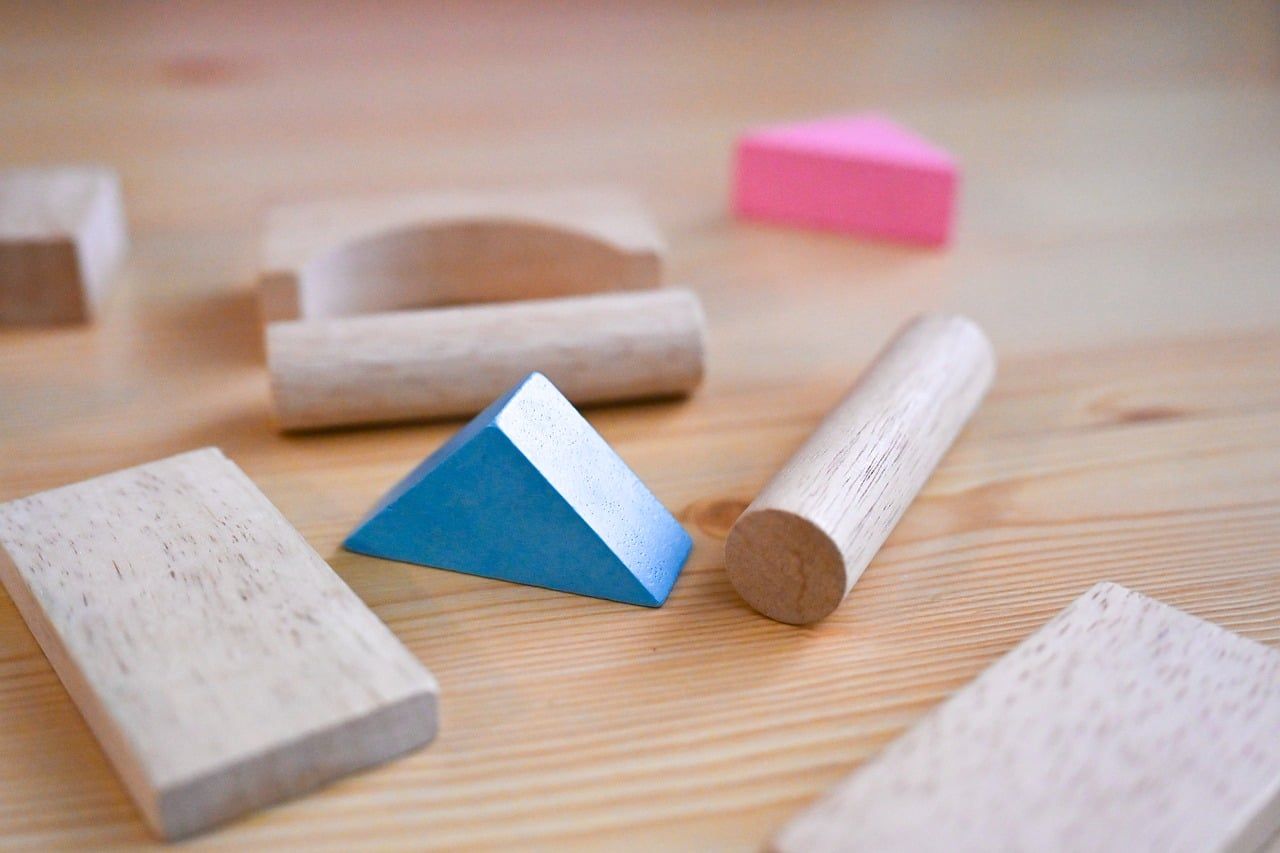
Building blocks are one of the few toys that grow with a child: during the first year, they are grasped and dropped; later, they are used to build towers, bridges and entire cities.
Wooden building blocks
Wooden building blocks are heavier and more stable, so the first towers stay upright more easily. They are easy to clean and withstand wear well. Choose blocks with smoothly sanded edges and check that the paint is intended for toys.
Interlocking plastic building blocks
Interlocking blocks make it possible to build taller and more complex structures because the pieces attach to one another. For a young child, choose large blocks. Small construction blocks are usually intended for children aged 3 and over because the individual pieces are small.
What to look for for a child under 3
Blocks must be large enough that they cannot be swallowed. Toy safety requirements use a small-parts test cylinder to check this; it has a diameter of about 3 cm, and parts that fit inside it are not suitable for children under 3. Also check the age marking on the packaging.